
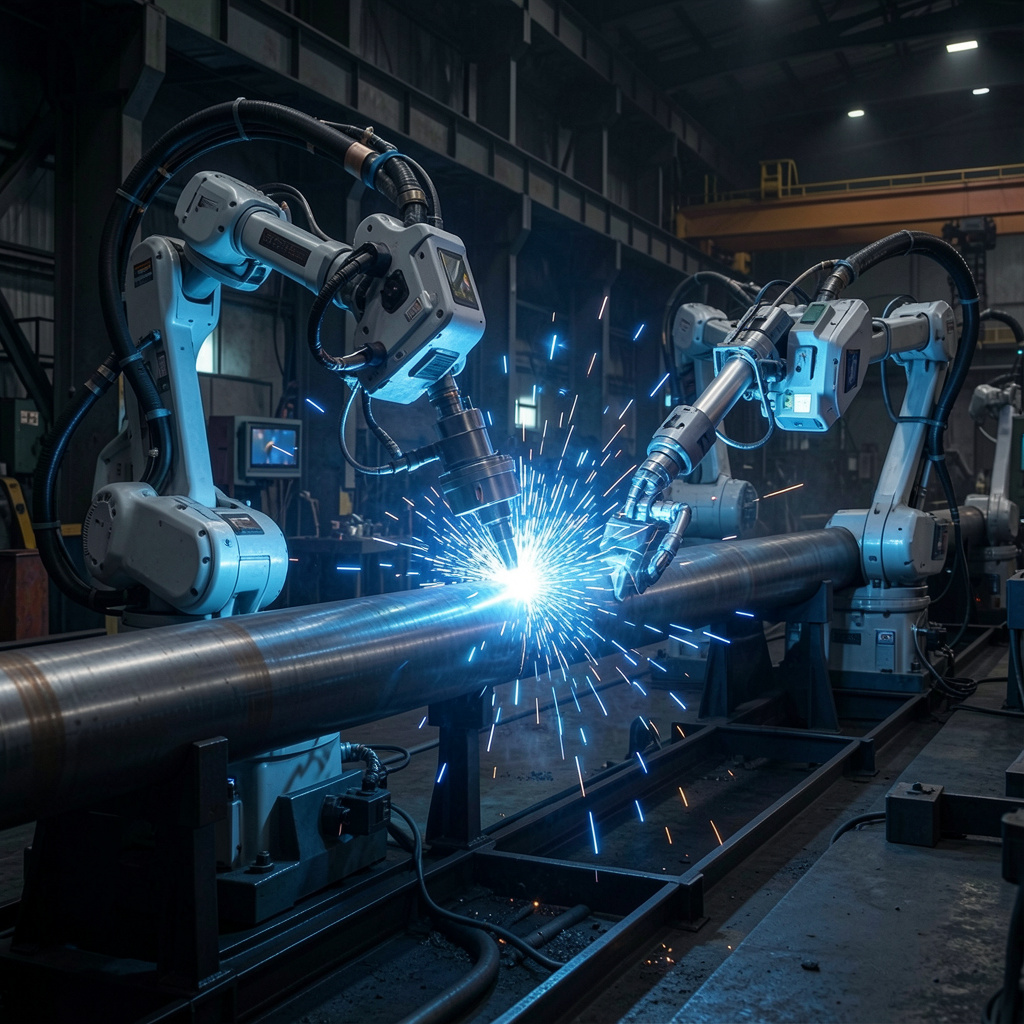
Manufacturing is undergoing a revolutionary transformation. As global competition intensifies and customer expectations continue to rise, industries are embracing advanced technologies to improve productivity, quality, and operational efficiency. At the heart of this transformation lies industrial automation—the integration of intelligent machines, robotics, digital technologies, and data-driven systems that enable manufacturers to produce more with greater precision and consistency.
From automotive assembly lines and heavy engineering PEB Industry to food processing and pharmaceutical manufacturing, industrial automation solutions are helping businesses reduce costs, improve safety, and build resilient operations. Companies that invest in automation today are not just upgrading their production processes—they are preparing for the future of manufacturing.
What Are Industrial Automation Solutions?
Industrial automation solutions involve the use of control systems, robotics, sensors, programmable logic controllers (PLCs), machine vision, and software to automate manufacturing and industrial processes. These technologies minimise manual intervention, improve process reliability, and ensure consistent product quality. Modern automation solutions can be customised to suit a wide range of industries and applications, including:
• Robotic welding systems
• Automated material handling
• Assembly line automation
• Welding positioners and manipulators
• Conveyor systems
• Machine tending robots
• Quality inspection systems
• PLC and HMI programming
• Production monitoring and data analytics
Every manufacturing facility has unique requirements, which is why customized automation solutions deliver the greatest value by addressing specific production challenges.
The Rise of Factory Automation
Factory automation is redefining how products are manufactured. Traditional production methods often depend heavily on manual labour, making them vulnerable to inconsistencies, delays, and human error. Automated factories, on the other hand, combine intelligent machines with digital communication systems to create efficient, connected, and highly productive manufacturing environments. Some of the key benefits of factory automation include:
Increased Productivity
Automated systems operate continuously with minimal downtime, significantly increasing production output while maintaining consistent quality.
Superior Product Quality
Automation ensures repeatable accuracy and precision, reducing defects, rework, and material wastage.
Improved Workplace Safety Dangerous and repetitive tasks can be assigned to robotic systems, reducing workplace injuries and creating safer environments for employees.
Lower Operational Costs
Although automation requires an initial investment, businesses benefit from reduced labour costs, lower scrap rates, improved energy efficiency, and higher equipment utilisation over time.
Real-Time Monitoring
Modern factories use connected systems to monitor machine performance, production efficiency, maintenance schedules, and quality metrics in real time, enabling faster decision-making.